The Day Your Real Education Begins: Self-Education and Lifelong Learning
Written based on the teachings of Jim Rohn
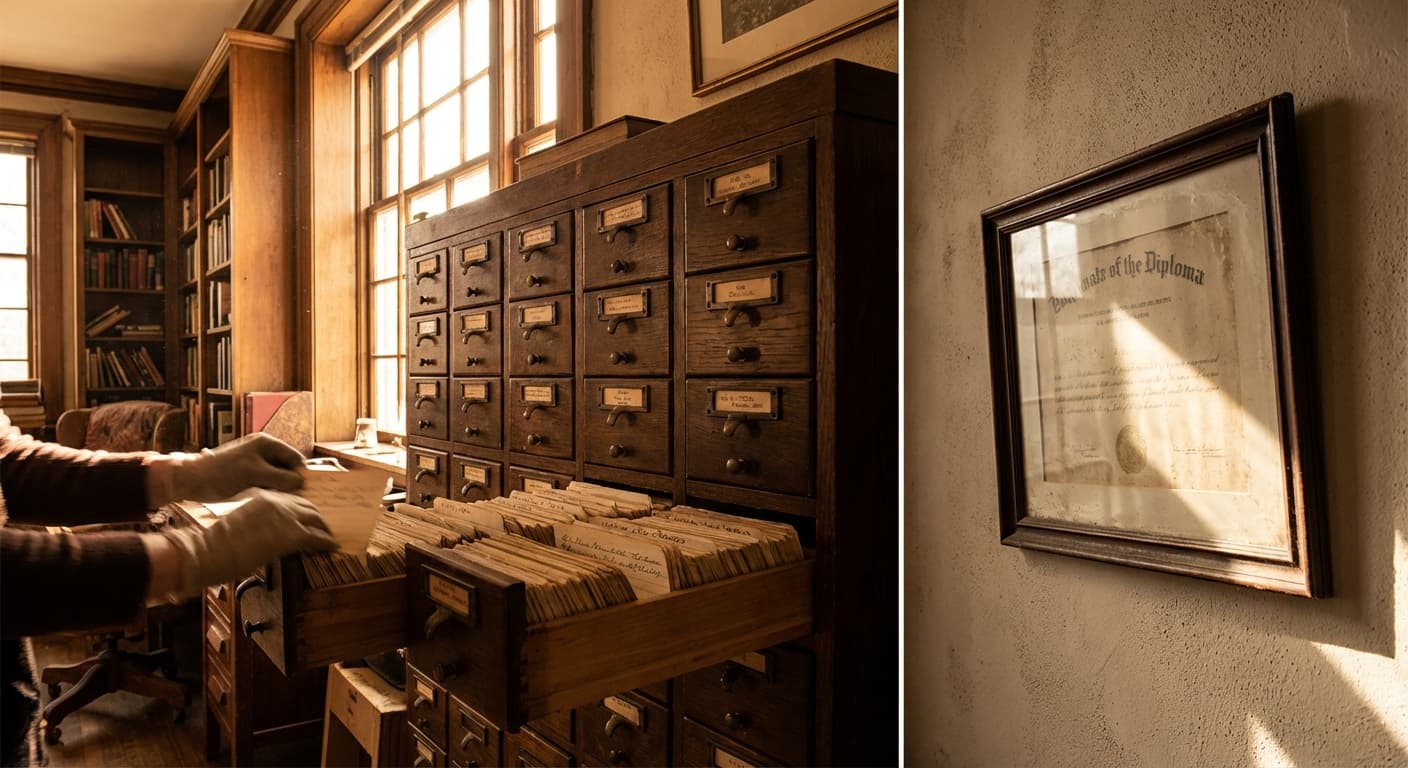
The Day Your Real Education Begins
I remember sitting in a classroom at the age of twenty-five, listening to a man named Earl Shoaff, and realizing I'd been educated all wrong. Not that the schools had failed me — they'd done their job. They taught me to read, write, do basic math. They gave me the tools. But somewhere along the way, I'd made a terrible assumption: I thought graduation meant I was finished learning.
That assumption nearly cost me everything.
The Fortune Beyond the Diploma
Let me tell you about formal education. It's valuable. It's necessary. I'm not one of these people who says, "Skip school, education is worthless." That's foolish talk. School gives you the foundation — the ability to read, comprehend, calculate, reason. Without that foundation, you're building on sand.
But here's what they don't tell you at graduation: school teaches you how to make a living. What you teach yourself after that determines whether you make a fortune.
I dropped out of college after one year. Couldn't afford it, didn't see the point. For the next several years, I worked hard, made a decent living, and told myself I was doing fine. But I was broke. In debt. Making excuses. Then one day, somebody invited me to a lecture, and Earl Shoaff stood up there and said something that hit me like cold water: "If you want more than you've got, you've got to become more than you are."
He said, "The problem, Jim, is you haven't learned enough. And the reason you haven't learned enough is you think you're finished learning."
He was right.
We Call That Formal Versus Informal Education
Here's the distinction most people miss. Formal education ends at a certain point — high school, college, trade school, whatever level you reach. And that's fine. We call that learning to earn. But self-education? That never stops. We call that learning to build.
A man said to me once, "Jim, I didn't go to college. I don't have a degree. How can I compete?" And I said, "You're asking the wrong question. The question isn't how much formal education you have. The question is what have you been teaching yourself since you left school?"
Because here's what I found out: the marketplace doesn't pay you for your diploma. It pays you for what you bring to the table. And what you bring to the table depends entirely on what you've put into your mind since the last bell rang.
Mr. Shoaff told me, "Jim, if you want to be wealthy, you've got to study wealth. If you want to be healthy, you've got to study health. If you want to be happy, you've got to study happiness." He said, "Don't wish it was easier, wish you were better. And the way you get better is you learn more."
The Library Card Philosophy
I got a good phrase for you: formal education will make you a living; self-education will make you a fortune.
After I met Mr. Shoaff, I started reading. Not because somebody assigned it. Not because there was a test at the end. I read because I was hungry to become someone different than I was. I read books on business, on philosophy, on human psychology. I studied successful people. I studied failure. I studied everything I could get my hands on because I realized I'd been starving my mind while stuffing my belly.
Somebody says, "But I don't have time to read." And I say, "You don't have time NOT to read."
You're out there competing against people who are learning every single day. And if you're standing still, intellectually speaking, you're not just standing still — you're falling behind.
Here's what's remarkable about self-education: it's free. The library card costs nothing. Books cost a few dollars. Audio programs, courses, seminars — all available if you're willing to invest in yourself. But most people won't do it. They graduate, and they think they're done. They go to work, come home, watch television, and wonder why their life doesn't change.
We call that majoring in minor things.
What School Didn't Teach You
Formal education teaches you subjects. Self-education teaches you how to think, how to solve problems, how to become valuable in the marketplace. School teaches you what's in the textbook. Life teaches you what's not.
I didn't learn how to build wealth in school. I learned that from studying wealthy people and from mentors like Mr. Shoaff. I didn't learn how to lead in a classroom. I learned that by reading leadership, by watching leaders, by failing and adjusting. I didn't learn philosophy of life from a professor. I learned it from great thinkers who left their wisdom in books — books I had to seek out myself.
Here's the key phrase: don't let your learning lead to knowledge; let your learning lead to action.
School teaches you to memorize and repeat. Self-education teaches you to apply and transform. Big difference.
The Five-Year Plan for Self-Education
Let me give you an assignment, my friend. Here's how you separate yourself from the pack over the next five years:
First, read thirty minutes every day. Not the newspaper. Not magazines. Books that challenge your thinking and expand your understanding. If you read thirty minutes a day, that's over a hundred books in five years. Do you think that might change you? Do you think that might change your fortune?
Second, listen to educational audio during your drive time. Turn your car into a university. Most people listen to music or complain about traffic. You can turn that commute into learning time.
Third, attend seminars and workshops at least once a year. Get out of your routine, meet new people, expose yourself to new ideas. Don't say you can't afford it. You can't afford NOT to.
Fourth, find a mentor or a mastermind group. Formal education gives you teachers. Self-education requires you to seek out guides who've been where you want to go.
And fifth — this is important — take notes and review them. Don't just consume. Capture. Then go back and study what you've learned. Repetition is the mother of skill.
The Real Graduation
Here's what I want you to understand: the day you stop learning is the day you start dying, intellectually and financially. The marketplace is constantly changing. Technology changes. Ideas change. If you're relying on what you learned ten years ago, you're in trouble.
But if you commit to being a student for life, if you make self-education a discipline as serious as brushing your teeth, you will never lack opportunity. You will always have something valuable to offer. You will always be growing.
A man asked me once, "When do you think you'll be finished learning, Jim?" And I said, "The day they close the lid." Right?
Because that's the truth. Self-education isn't something you do for a season. It's something you do for a lifetime. It's the edge that separates those who make a living from those who make a fortune.
So here's my challenge to you: make a list of five books you've been meaning to read. Get the first one this week. Start reading it tonight. Don't wait for someone to assign it to you. Don't wait for a class to require it. You're in charge of your education now.
And that, my friend, is the greatest advantage you could possibly have.
Continue Reading
More from Jim Rohn's teachings

The Investment That Always Pays: Why Self-Education Is Your Greatest Asset
Start Before You're Ready: Why the Best Time to Act Is When You Feel Unprepared
Your Philosophy Is Your Operating System — Why Daily Mental Nutrition Determines Everything

How to Build a Personal Library That Changes Your Life
Subscribe to the Jim Rohn Newsletter
Join our community receiving weekly wisdom for a better life.