The Summer Season of Life: Why Protecting Your Progress Is Harder Than Starting
Written based on the teachings of Jim Rohn
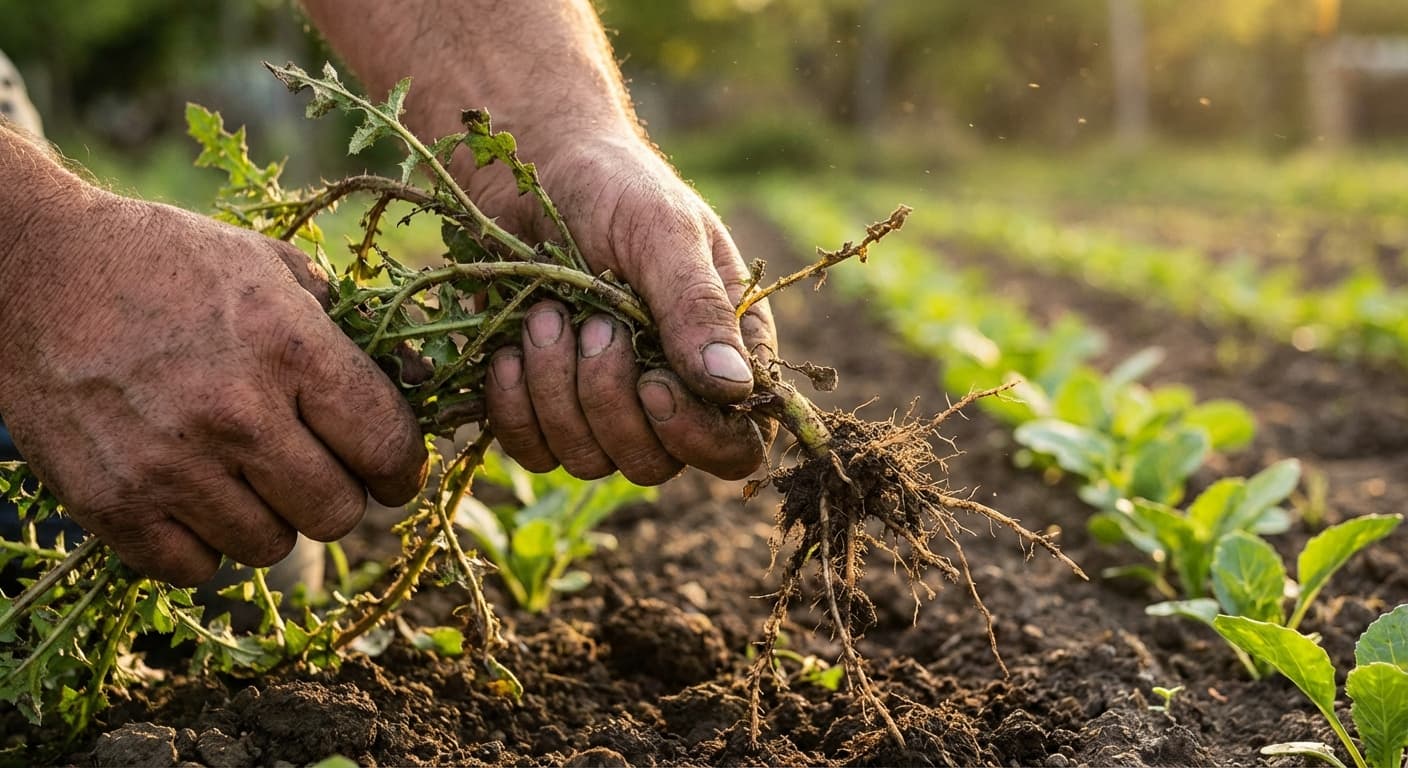
I learned something important from watching farmers work their fields year after year. The planting season gets all the attention — everybody's excited, talking about what they're going to grow, making plans. But here's what I noticed: the planting is the easy part.
It's the summer that separates the successful from the unsuccessful.
Let me tell you about a conversation I had with a farmer once. I asked him, "What's the hardest season?" He didn't even hesitate. "Summer," he said. "Spring is exciting. Fall is rewarding. Winter is rest. But summer? That's when you find out if you're serious."
He explained it this way: "In spring, I plant with hope. In summer, I protect what I planted. That's when the weeds come. That's when the pests arrive. That's when the heat tests everything. Most crops that fail don't fail because they weren't planted right. They fail because nobody protected them in July."
That stuck with me for years.
The Middle Is Where Dreams Go to Die
Somebody starts a business — full of energy, right? Making calls, setting up systems, telling everybody about it. Six months later? Different story. The initial excitement wore off. Now it's just work. Day after day. No applause. No immediate results. Just showing up.
We call that the summer season of life.
A man said to me once, "Jim, I don't understand it. I was so motivated at the beginning. What happened?" And I said, "Nothing happened. That's the problem. You thought momentum would carry you. But momentum doesn't work that way. You don't coast through summer. You work through summer."
Here's what most people don't understand: starting something takes emotion. Protecting something takes discipline. And discipline is harder than emotion because discipline doesn't run on feelings.
The Weeds of Distraction
The farmer told me something else. He said, "Weeds don't wait for permission. The moment you plant something valuable, weeds start growing right alongside it. And here's the thing — weeds grow faster than crops."
Think about that in your own life.
You start working on your goals, and what happens? Distractions show up like weeds. New opportunities that sound exciting but pull you off course. Old habits that creep back in. Easy alternatives that whisper, "This is too hard. Try something else."
A motivated person plants corn. An undisciplined person also plants weeds — by accident.
I remember a young woman at a seminar who said, "I started six different projects this year and finished none of them." And I said, "That's because you kept planting. But you never weeded."
Weeding isn't glamorous. Nobody takes pictures of themselves pulling weeds. But if you don't pull them, they'll choke out everything you planted. The key is this: weed every day. Don't wait until the weeds are big. Pull them when they're small. That means saying no to distractions early, before they take root.
The Pests of Negativity
Here's another thing the farmer taught me. He said, "Pests don't attack empty fields. They attack fields with crops worth eating."
Right?
The moment you start making progress, negativity shows up. Not before — after. Critics don't waste time on people who aren't doing anything. They show up when you're growing something.
Somebody says, "Who do you think you are?" And you say, "I'm somebody trying to improve." They say, "You're going to fail." And you say, "Maybe. But I'd rather fail trying than succeed at doing nothing."
We call those people dream stealers. And here's what I learned: you can't avoid them. But you can refuse to feed them.
I had a friend who started a business. Six months in, he had more critics than customers. He said to me, "Jim, should I quit? Maybe they're right." And I said, "Here's a better question: are they farmers, or are they just loud?"
Pests are loud. But they don't determine the harvest. You do.
The solution is this: stop arguing with pests. A farmer doesn't debate with locusts. He protects his crop and keeps working.
The Heat of Adversity
Now here's the part most people don't prepare for: the heat.
Summer is hot. That's not a complaint — it's a fact. And heat does two things. It strengthens what's rooted, and it kills what's shallow.
You plant something in spring with excitement. By July, that excitement is gone. Now it's just heat. The work is hard. The results are slow. The doubts are loud. And here's the test: will you keep going when it's no longer fun?
A man asked me one time, "How do I stay motivated when things get hard?" And I said, "Wrong question. You don't stay motivated. You stay committed. Motivation got you started. Commitment keeps you going."
Let me give you a phrase to remember: you don't need inspiration in the summer. You need irrigation.
What's irrigation? Consistent effort. Showing up even when you don't feel like it. Watering your goals daily even when you don't see immediate growth. That's not exciting. But it's necessary.
I'll tell you what happens if you don't irrigate. Your crop dries up. Not because it wasn't planted well. Not because the soil was bad. But because when the heat came, you stopped watering.
The Unsexy Work That Separates Dreamers From Achievers
Let me be direct with you, my friend. Most people fail in the middle because they think success is about big dramatic moments. It's not. It's about small, consistent actions nobody sees.
Planting is dramatic. Harvesting is dramatic. But summer? Summer is weeding, watering, watching. Day after day. No fanfare. No audience. Just you and the work.
Somebody says, "I want to be successful." And I say, "Good. Are you willing to do the boring work?" They say, "What boring work?" And I say, "The work that doesn't make a good story. The work that nobody applauds. The work you do in July when it's hot and nothing seems to be happening."
That's the work that counts.
Here's what I found out: dreamers love spring. Achievers love summer. Because achievers understand that summer is where the harvest is won. Not in the planting. Not in the reaping. In the protecting.
Your Assignment
So here's what I want you to think about. What did you plant this year? What goals did you set? What changes did you start?
Now ask yourself: am I still protecting them, or did I let the weeds grow? Am I still watering, or did I stop when it got hot? Am I listening to the pests, or am I focused on my crop?
If you stopped — and most people do — it's not too late. Summer isn't over until you quit. You can start weeding today. You can start watering again today. You can stop listening to the critics and start protecting what you planted.
But you have to decide: are you a spring person or a summer person?
Spring people plant with excitement and quit when the work gets hard. Summer people plant with purpose and protect what they planted no matter what.
The harvest doesn't care how excited you were in March. It only cares what you did in July.
That's the difference, my friend. That's the difference.
Continue Reading
More from Jim Rohn's teachings
Why Most People Give Up on Their Dreams — And What Jim Rohn Said About Staying the Course
The Relationship Between Gratitude and Ambition
How to Create a Personal Development Plan That Actually Works

The Discipline of Keeping a Journal: Your Private Conversation With Yourself
Subscribe to the Jim Rohn Newsletter
Join our community receiving weekly wisdom for a better life.