The Harvest Doesn’t Lie
Written based on the teachings of Jim Rohn
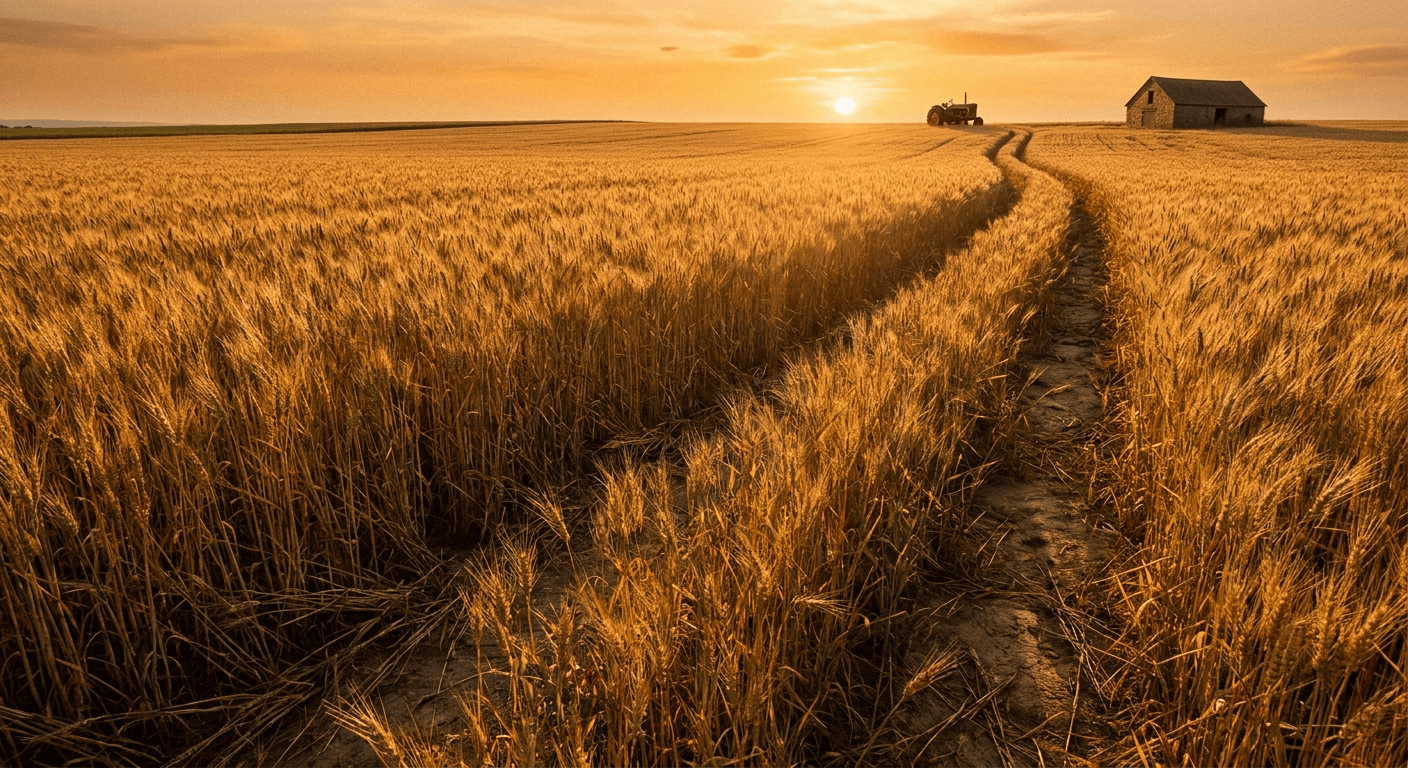
The harvest doesn’t negotiate. It doesn’t care about your excuses, your intentions, or your plans. It simply delivers what the soil received.
Jim Rohn understood this better than most. He grew up on a farm in Idaho, where the lessons of the land were as plain as the sunrise. You plant in the spring, you tend through the summer, and when fall arrives, the harvest tells you the truth about how you spent your year.
"The greatest form of maturity is at harvest time," Jim taught. "That is when we must learn how to reap without complaint if the amounts are small and how to reap without apology if the amounts are large."
That single sentence contains two of the hardest lessons in life.
Reaping Without Complaint
When the harvest is thin — when the results don’t match the hopes — the immature response is to blame. The soil was bad. The rain came at the wrong time. The market shifted. Someone else had an unfair advantage.
Jim had heard every version of this story. He’d told a few of them himself, back before his mentor Earl Shoaff interrupted the pattern.
The mature response to a small harvest is different. It’s honest. It asks: What did I plant? When did I plant it? How well did I tend it? And what will I do differently next season?
Complaint is easy. Correction takes courage.
Jim often said that the same wind blows on all of us. The difference isn’t the wind — it’s the set of the sail. A small harvest isn’t a verdict on your worth. It’s information about your approach. And information, handled with maturity, becomes the seed for a better season.
Reaping Without Apology
This is the lesson people rarely talk about, but Jim considered it just as important.
When the harvest is abundant — when the results exceed expectations — some people shrink. They downplay their success. They apologize for doing well, as if prosperity were something to be embarrassed about.
Jim saw this pattern everywhere, and it troubled him. "Why would you apologize for being diligent?" he would ask. "Why would you feel guilty for doing the work?"
A large harvest is not an accident. It’s the natural consequence of good seed, careful tending, and patience through the seasons. To apologize for it dishonors the labor that produced it.
Jim believed that an abundant harvest carried a responsibility — not to feel guilty, but to be generous. To share what you’ve learned. To help others plant their own gardens. To let your success become a testimony that the principles work.
The Harvest as a Mirror
The real power of Jim’s teaching wasn’t about farming. It was about honesty.
The harvest is the most honest thing in the world. It doesn’t flatter you and it doesn’t diminish you. It simply reflects what happened during the planting and tending seasons.
Your bank account at the end of the year is a harvest. Your relationships are a harvest. Your health, your skills, your peace of mind — all harvests. And each one tells a story about what you planted and how well you cared for it.
Jim’s invitation wasn’t to judge yourself harshly. It was to look clearly. To let the harvest teach you. To receive its lessons with the kind of maturity that neither complains nor apologizes, but simply learns and begins again.
Because after every harvest, there’s a new spring. And what you do with it is entirely up to you.
Continue Reading
More from Jim Rohn's teachings


Subscribe to the Jim Rohn Newsletter
Join our community receiving weekly wisdom for a better life.