The Financial Seasons of Life: How to Plant, Protect, Harvest, and Survive Your Way to Wealth
Written based on the teachings of Jim Rohn
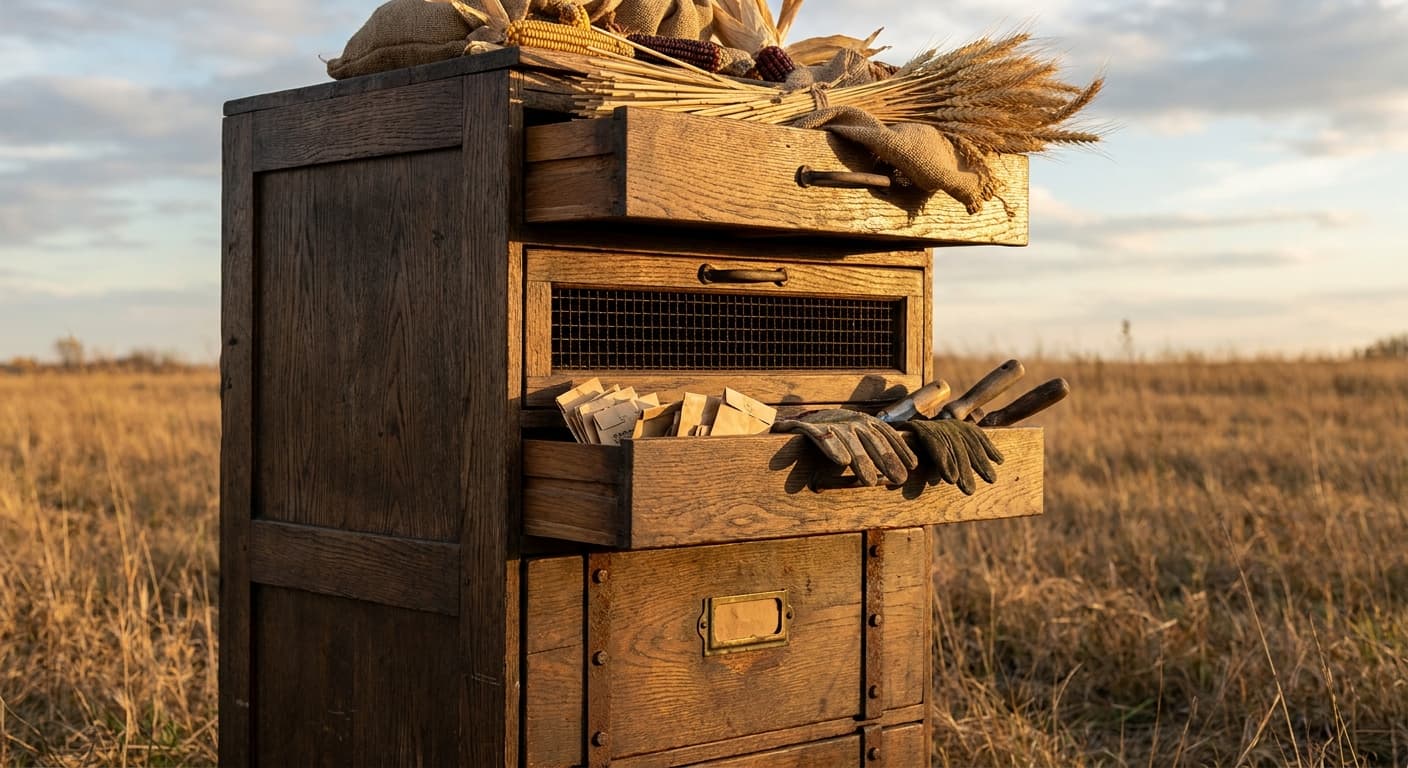
The Seasons of Your Financial Life
I remember the day Mr. Shoaff asked me a question that changed everything. I was twenty-five, broke, and complaining about the economy. He said, "Jim, how long have you been working?"
"Six years," I told him.
"And how much money have you saved in those six years?"
"Nothing."
He looked at me for a moment and said, "Then I suggest the problem isn't the economy."
Right?
That conversation happened in what I now understand was the dead of my financial winter. I didn't have the skills yet. I didn't have the philosophy. And I certainly didn't understand what Mr. Shoaff was about to teach me — that financial life, like nature itself, moves in seasons.
Spring: Planting the Seeds of Income
Spring is the season of beginnings. It's when you plant.
A young person graduates college and takes their first job — financial spring. A forty-year-old starts a side business after dinner — financial spring. Spring isn't about your age. It's about what you're starting.
Here's what I learned: in spring, your job is simple. Plant more seeds than you think you'll need. Study more than is required. Work harder than you're paid for. The harvest is coming, but not yet.
Somebody says, "But Jim, I'm working hard and I'm still broke."
I say, "Are you working hard, or are you working smart? And are you planting seeds, or are you just going through the motions?"
Big difference.
In financial spring, you're building income skills — sales, communication, technical expertise, leadership. These are the seeds. You're also building financial habits — saving the first 10% before you pay anyone else, living on less than you earn, reading books instead of watching TV.
We call that preparing the soil.
The ant stores food in summer. The ant doesn't complain that storing is hard work. The ant doesn't say, "I'll start saving when I make more money." The ant works the season she's in.
In spring, plant more than you need. Some seeds won't take. Some will get washed away. Some you'll plant in the wrong soil. That's okay. Plant extra.
Summer: Protecting and Growing Your Assets
Summer is activity. Summer is growth. Summer is long days and focused effort.
By the time I was thirty-one, I had entered my financial summer. My income was growing. I had assets to protect. I had money working for me. But summer brings challenges that spring doesn't prepare you for.
A man asked me once, "Jim, what's the biggest mistake you see people make when they start making money?"
I said, "They think summer will last forever."
Summer is when the bugs come. We call those taxes, inflation, lifestyle creep, bad advice from broke friends. Summer is when you have to protect what you've grown.
Let me give you a good phrase: "Protect the principal."
I met a fellow who made $200,000 one year and spent $210,000. He said, "Jim, I'm making great money, but I'm going backwards."
I said, "You're not managing summer. You're letting summer manage you."
In financial summer, you're building assets that produce income — investments, businesses, real estate, valuable skills that command higher fees. You're protecting those assets with insurance, legal structures, and smart tax planning. You're resisting the temptation to harvest too early.
The farmer doesn't eat the seed corn just because he's hungry. The farmer protects the seed corn because next year's harvest depends on it.
Summer requires discipline. It requires saying no to good opportunities so you can say yes to great ones. It requires working when you don't feel like it, because summer doesn't last as long as you think.
Fall: Harvesting Your Returns
Fall is payday.
You've planted in spring. You've protected and grown in summer. Now comes harvest — but here's what most people miss: you can only harvest what you've planted.
If you planted excuses, you'll harvest disappointment. If you planted discipline and skill and good judgment, you'll harvest wealth.
I remember sitting with a couple in their fifties. They said, "Jim, we don't understand. We worked hard our whole lives and we have nothing saved."
I said, "Did you plant financial seeds, or did you just work hard at your job?"
They looked at each other. The husband said, "We worked hard."
I said, "That's summer activity. But did you save 10%? Did you invest? Did you build assets outside your paycheck?"
Silence.
See, you can't harvest what you didn't plant. And fall doesn't care about your intentions. Fall only cares about your actions.
Financial fall might be selling a business you built. It might be retirement income from investments you made thirty years ago. It might be a skill you mastered that now commands premium rates. Fall is when you live on the fruit of earlier seasons.
Here's the key: harvest wisely. Don't eat it all. Save seeds for next spring. Set aside reserves for the winter you know is coming.
Winter: Surviving and Preparing
Let me tell you about financial winter, because I've been there.
After I became a millionaire at thirty-one, I lost it. Bad partnerships. Poor judgment. Arrogance. I thought I was so smart that I couldn't fail.
Winter taught me otherwise.
Financial winter is loss of income. It's a business that fails. It's a market crash that wipes out half your portfolio. It's a job loss, a health crisis, a disaster you didn't see coming.
Winter will come. The question isn't if — it's when, and whether you'll survive it.
Here's what I learned in my financial winter: you survive winter with what you stored in fall. The person who consumed everything in their harvest season has nothing when winter arrives. The person who saved, who built reserves, who kept their expenses low — that person makes it through.
Somebody says, "But Jim, I can't save. I have bills."
I say, "Then you better learn to save before winter comes, because winter doesn't care about your bills."
We call that harsh reality.
But here's the other thing about winter: it's temporary. Spring always follows winter. Always. The question is whether you'll be ready when spring arrives.
In my financial winter, I did three things: I cut expenses to the bone. I read everything I could get my hands on. I looked for the smallest opportunity to plant new seeds.
When spring came again, I was ready. And the second fortune I built was built on better philosophy than the first.
The Truth About Seasons
Here's what most people miss: you're never in just one season.
Your career might be in spring while your investments are in fall. Your business might be in summer while your savings are in winter. Your real estate might be harvesting while your new skills are just being planted.
The sophisticated financial life manages multiple seasons simultaneously.
I've got a good phrase for you: "Work all the seasons."
Don't wait for perfect conditions. Plant in spring. Protect in summer. Harvest in fall. Survive in winter. And understand that next year, you'll do it all again — but with more wisdom, more skill, and better judgment.
The seasons don't care if you're ready. They turn whether you participate or not.
The only question is: what will you plant today that you can harvest tomorrow?
Continue Reading
More from Jim Rohn's teachings

The Discipline of Saving: How 10% Can Change Your Life

Why a Big Salary Won't Make You Wealthy: Jim Rohn on Wages vs. Profits

Invest First, Spend What's Left: The One Money Habit That Changes Everything

Time Is More Valuable Than Money: The One Resource You Can Never Earn Back
Subscribe to the Jim Rohn Newsletter
Join our community receiving weekly wisdom for a better life.