Guard Your Mind Like You Guard Your Wallet
Written based on the teachings of Jim Rohn
A man said to me once, "Jim, I'm careful about money. I don't give it away to just anybody."
I said, "That's good. That's wise. Now let me ask you something. What about your mind? Are you careful about that?"
He looked at me like I'd asked him something strange.
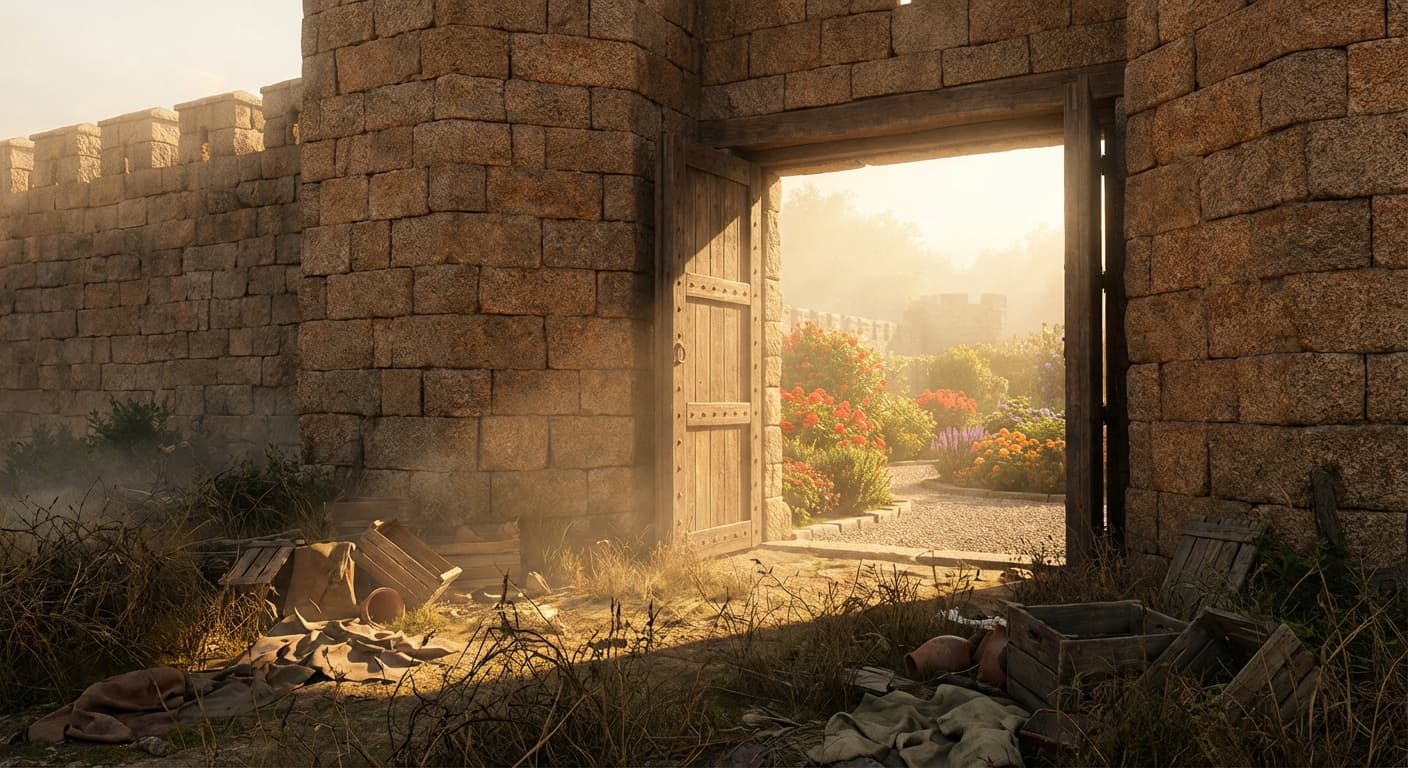
I said, "You lock your car. You lock your house. You've got passwords on your bank accounts. But your mind — the most valuable thing you own — you leave the door wide open. Anybody can walk in. Anybody can leave whatever they want on your doorstep. And you just take it all inside without checking."
He got quiet after that.
The Economics of Attention
Here's what I found out. Most people treat money like it's scarce and attention like it's free. But my friend, it's the other way around. You can always make more money. You cannot make more time. You cannot make more mental space. Once you give someone an hour of your attention, that hour is spent. Gone. No refund.
Somebody says, "Well, Jim, I was just watching the news."
And I say, "For how long?"
"Oh, just a couple hours."
A couple hours. Every day. That's fourteen hours a week. That's over seven hundred hours a year. And at the end of all those hours, what have you built? What can you show for it?
Nothing. You've just practiced being anxious about things you can't control.
Now here's the question. Would you write a check for seven hundred hours to a company whose only product is worry? Would you invest that much time in a business that promised to make you feel worse about life? Of course not. But we do it anyway. We call that a bad investment of the mind.
Conversations That Cost You
Let me tell you about a fellow I knew years ago. Good man. Hard worker. But he had a friend — and I use that word loosely — who was what I call an energy thief.
Every time they talked, this friend complained. About his job. About his wife. About the economy. About the weather. About everything.
And my friend, he'd listen. He'd nod along. He'd try to help.
One day I asked him, "How do you feel after you talk to this fellow?"
He thought about it. He said, "Tired. Drained. Like I've been carrying something heavy."
I said, "That's because you have been. You've been carrying his problems. And here's the interesting thing — has anything gotten better for him? All these years of you listening, has he changed?"
"No," he said. "Not really."
"Right. Because he doesn't want solutions. He wants an audience. And you've been providing that service for free."
Good phrase to know — an audience for complaints.
Some people want to use your mind as a garbage dump. They want to unload their trash and walk away feeling lighter while you're left standing there wondering why you feel so heavy.
Guard your mind like you guard your wallet.
The Discipline of Filtering
Now, I'm not saying become cold. I'm not saying don't care about people. That's not it at all.
What I'm saying is this: be selective.
Be selective about what you read. Be selective about what you watch. Be selective about the conversations you enter and — this is important — the conversations you stay in.
A man once asked me, "Jim, how do you decide what to let into your mind?"
I said, "I ask one question. Will this develop me or drain me? Will I be stronger after this, or weaker?"
That's the test. Simple test. But most people never apply it.
They'll scroll through things that make them angry. They'll watch things that make them feel small. They'll engage in arguments that go nowhere. And at the end of the day they wonder why they don't have energy for the things that matter.
Here's what's fascinating. The same person who would never let a stranger into their house will let a stranger into their head. The same person who checks the reviews before buying a ten-dollar book will consume hours of content without asking, "Is this worth my time?"
We call that carelessness of the mind. And it's expensive. More expensive than most people realize.
The News Trap
Somebody says, "But Jim, I have to stay informed. I have to know what's going on."
And I say, "Do you? Do you really?"
Now, I'm not saying be ignorant. I'm saying be strategic. Here's what I found out. Most news is designed to capture your attention, not to improve your life. There's a difference between being informed and being overwhelmed. There's a difference between awareness and anxiety.
If something is truly important, it will find you. Trust me on this. The significant events will reach you. You don't have to go looking for trouble. Trouble knows where you live.
But the daily drip of negativity — the constant stream of things you cannot control and cannot change — that's not information. That's poison, taken in small doses.
You wouldn't drink a little poison every morning with your coffee, right? You'd say, "Well, that doesn't make sense." But that's what we do with our minds. We take in a little poison every day and wonder why we feel sick.
The Replacement Principle
Now here's the practical part. You can't just empty your mind. Nature doesn't work that way. You've got to replace what you remove.
Take out the junk and put in the good stuff.
Read something that builds you. Listen to something that inspires you. Have conversations that lift you. Find the people who talk about ideas, not just problems. Find the sources that equip you, not just alarm you.
I got a good phrase for you: feed your mind like you feed your body.
You wouldn't eat garbage all day and expect to feel healthy. Same with your mind. What goes in determines what comes out. What you consume determines who you become.
A businessman I knew made a decision. He said, "Jim, I'm going to guard the first hour of my morning. No news. No social media. No phone calls that aren't scheduled. That hour belongs to me. I read. I think. I plan."
I said, "How's that working?"
He said, "That one hour has changed everything. Because I start the day on purpose, not by accident. I start the day feeding my mind instead of letting the world feed on it."
A Challenge for You
So here's my challenge, my friend.
This week, pay attention. Not to the news — to yourself. Pay attention to how you feel after you consume something. Pay attention to how you feel after certain conversations. Pay attention to what builds you and what breaks you down.
Then make some decisions. Guard the door a little better. Be more selective about who gets access.
Your mind is not a public park. It's a private garden. And you're the only one who gets to decide what grows there.
Continue Reading
More from Jim Rohn's teachings
Guard Your Mind: The Daily Discipline of Mental Hygiene

Why Your Attitude Determines Your Altitude
Make a Living or Design a Life — The Choice That Changes Everything

The 30-Day Direction Change: How Small Shifts Create Massive Transformations
Subscribe to the Jim Rohn Newsletter
Join our community receiving weekly wisdom for a better life.