How to Design Your Ideal Week Before It Designs You
Written based on the teachings of Jim Rohn
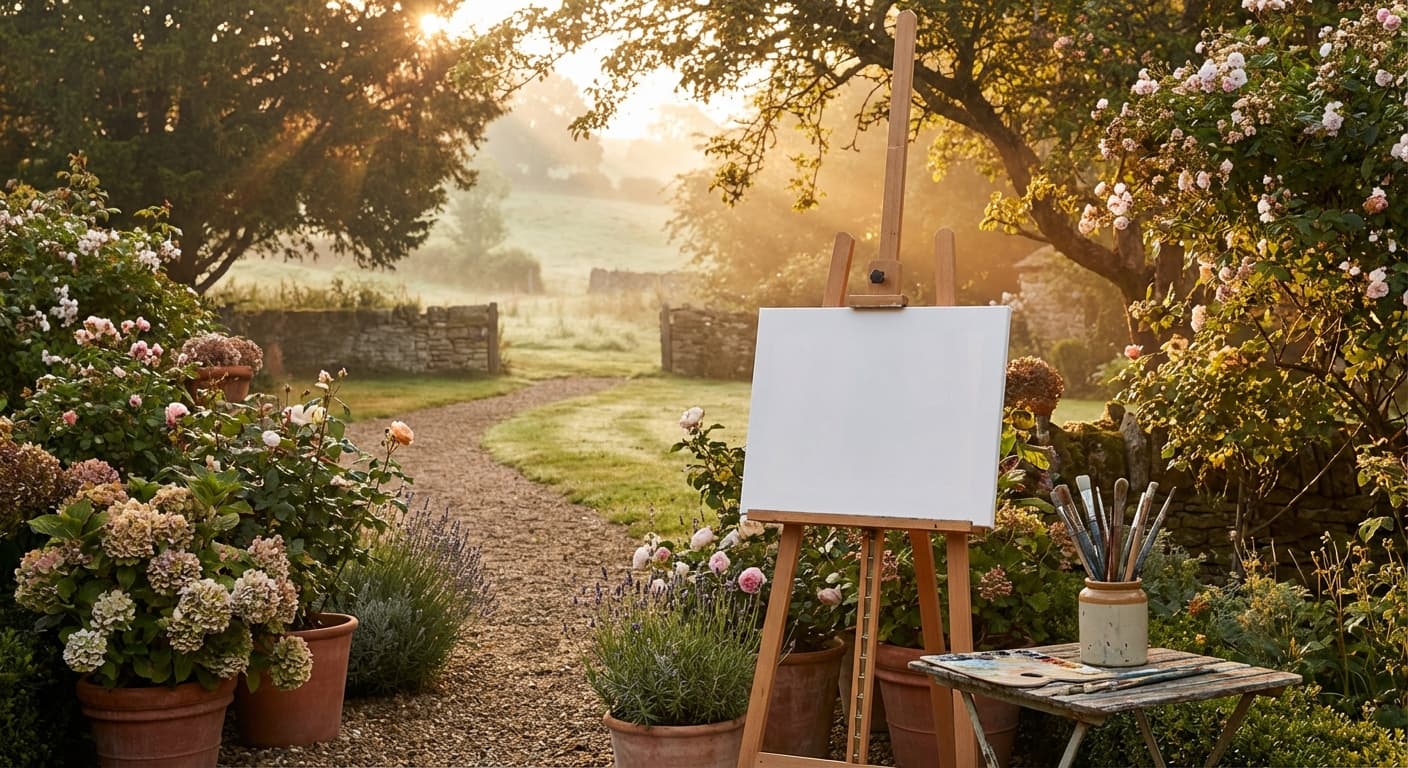
Most people don't plan their weeks. They survive them. Monday arrives and the emails start. Tuesday brings meetings someone else scheduled. By Wednesday, they're reacting to whatever landed in their inbox, returning calls they didn't initiate, attending to priorities that aren't theirs. Friday comes and they look back wondering where the time went — and more importantly, where they went in all of it.
Jim Rohn saw this pattern everywhere he spoke. Audiences filled with intelligent, capable people who had somehow handed over the paintbrush to their circumstances. They weren't lazy. They were busy — relentlessly busy — but busy doing what? Responding. Reacting. Running someone else's race on someone else's track.
The alternative isn't working harder. It's working with intention. And that starts with a simple practice Rohn returned to throughout his career: designing your week before your week designs you.
The Week as a Canvas, Not a Calendar
There's a difference between having a schedule and having a design. A schedule is a list of obligations. A design is a deliberate creation. One happens to you. The other comes from you.
Rohn understood that successful people don't stumble into results. They attract them through intentional preparation. Your week is no different. It's either a canvas you paint with purpose or a surface that collects whatever splatters onto it.
"Success is something you attract by the person you become."
This principle applies directly to how you structure your time. The week you design reflects the person you're becoming. If your week is chaotic, reactive, and filled with other people's priorities, that's information about your trajectory. If your week is intentional, balanced, and aligned with what matters most, that's information too.
The practice isn't complicated. Before each week begins — Sunday evening works well for most people — sit down with a blank page. Not your calendar filled with existing commitments, but a blank page. Ask yourself: If I could design an ideal week that moves me toward who I want to become, what would it include? What would it exclude?
This isn't fantasy. It's architecture. You're not ignoring your responsibilities. You're deciding which responsibilities actually deserve your time and which have simply accumulated through neglect.
Guard the Hours That Matter Most
Every week contains a handful of hours that determine everything else. For some people, these are the early morning hours before the world wakes up. For others, they're the focused afternoon blocks when deep work becomes possible. Jim Rohn called these your "prime time" hours, and he was adamant about protecting them.
"Either you run the day, or the day runs you."
The mistake most people make is treating all hours as equal. They schedule their most important work into whatever gaps remain after meetings, calls, and interruptions have claimed the prime real estate. This is backwards. The hours that matter most should be scheduled first, defended fiercely, and never surrendered to tasks that could happen at any time.
During your weekly design session, identify the two or three activities that would make the biggest difference in your life right now. Maybe it's writing. Maybe it's exercise. Maybe it's focused time with your family or dedicated hours for learning. Whatever they are, block them first — before you look at what anyone else needs from you.
This isn't selfish. It's sustainable. You cannot pour from an empty cup, and you cannot create value for others when you've given away all the hours where value creation happens. The people who matter in your life — your family, your team, your customers — are better served by someone operating from intention than someone exhausted from reaction.
Design for the Whole Person
Rohn taught that life has multiple dimensions, and neglecting any of them eventually collapses the others. You might build financial success while your health deteriorates. You might maintain perfect fitness while your relationships wither. The person who wins long-term designs their week to address the whole picture.
"The major value in life is not what you get. The major value in life is what you become."
Your weekly design should include time for each major area: your work, certainly, but also your health, your relationships, your personal growth, and your spirit. This doesn't mean equal time. It means deliberate time. Even thirty minutes of planned exercise is infinitely more than zero minutes of neglected exercise. Even one scheduled conversation with a friend is better than months of meaning to call.
The practical approach is to build recurring blocks into your ideal week template. Monday might include a morning workout and an evening review of your finances. Wednesday might hold time for reading and a dinner without screens. Saturday might be reserved for family and rest. The specific configuration matters less than the comprehensiveness — are you addressing what matters, or only what screams loudest?
When Rohn spoke about becoming an "attractive person" who draws success naturally, he wasn't talking about charisma alone. He was talking about someone who had developed themselves across every dimension. That development doesn't happen accidentally. It happens because you designed weeks that made room for it.
Review, Adjust, and Design Again
No weekly design survives contact with reality perfectly intact. Emergencies arise. Opportunities appear. Life refuses to follow your script. This isn't failure — it's information.
The discipline isn't rigid adherence to your plan. The discipline is the practice of planning itself, week after week, learning from what worked and what didn't, adjusting your design as you learn more about yourself and your circumstances.
"Discipline is the bridge between goals and accomplishment."
Each Sunday, before designing the coming week, take ten minutes to review the week that passed. What did you protect that you're glad you protected? What did you surrender that you wish you hadn't? Where did your design serve you well, and where did it need more flexibility? These questions aren't self-criticism. They're data collection. You're becoming a better architect of your own time.
The people who master this practice develop a kind of compound interest. Each well-designed week builds on the last. The habits get stronger. The boundaries get clearer. The results get better. And over months and years, they look back and see something remarkable: a life they actually chose, built deliberately, week by careful week.
The Person You Become
The greatest argument for weekly design isn't productivity. It's identity. Every week you design with intention is a week you lived on purpose. Every week you surrender to reaction is a week someone else scripted for you.
Jim Rohn spent decades teaching that success isn't something you chase — it's something you attract by becoming the kind of person who naturally draws it. Your weekly design practice is where that becoming happens. It's where you decide, repeatedly, who you're going to be and what you're going to prioritize.
Start this Sunday. Take out a blank page. Sketch the week you want to live — the hours you'll protect, the dimensions you'll address, the person you're choosing to become. Then do it again the following Sunday. And the Sunday after that. The weeks will pass regardless. The only question is whether they'll carry you toward the life you want or drift you somewhere you never intended to go.
The paintbrush is in your hand. Use it.
Continue Reading
More from Jim Rohn's teachings

Time Is More Valuable Than Money: The One Resource You Can Never Earn Back

Make a Living or Design a Life — The Choice That Changes Everything

How to Protect Your Morning Hours Before the World Takes Over

The Key to Getting All You Want? Discipline
Subscribe to the Jim Rohn Newsletter
Join our community receiving weekly wisdom for a better life.