The Law of Sowing and Reaping: Why You Cannot Harvest What You Never Planted
Written based on the teachings of Jim Rohn
The Law That Governs Everything
Let me tell you something that took me years to figure out.
When I was 25 years old, I wanted things to be different. I wanted more money. I wanted more respect. I wanted my family to have a better life. And I spent most of my time wishing for it, hoping for it, complaining that I didn't have it.
Then I met a man who changed the way I looked at everything. Mr. Shoaff. Wealthy man, but easy to talk to. And one day he said something to me I've never forgotten.
He said, "Jim, if you want things to change, you've got to change. If you want things to get better, you've got to get better."
I said, "But Mr. Shoaff, you don't understand my situation."
He said, "Jim, I understand your situation perfectly. Your situation is the harvest. And if you don't like the harvest, there's only one thing to look at."
I said, "What's that?"
He said, "The seed."
Now here's what I've found over the years. Most people want to argue with the harvest. They stand in front of their results—their bank account, their relationships, their health—and they say, "This isn't fair. This isn't right. I deserve better than this."
And I say, okay, fine. But let me ask you a question. What did you plant?
See, life operates on a very simple law. We call it the law of sowing and reaping. And here's what's interesting about this law—it doesn't care what you think about it. It doesn't care whether you agree with it. It doesn't care if you find it convenient. It just works. Every single time.
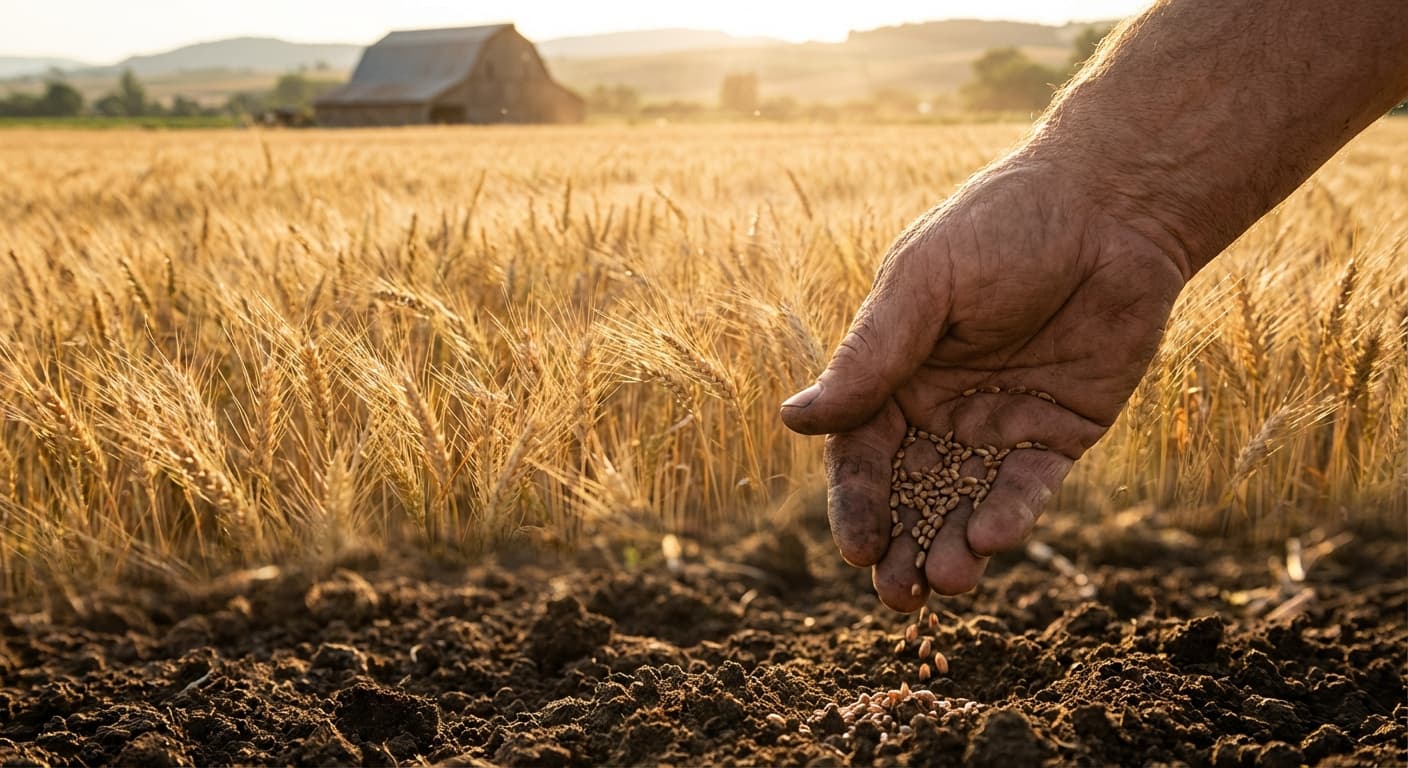
You plant tomato seeds, you get tomatoes. You don't get cucumbers. You don't get corn. You get exactly what you planted. And if you planted nothing? Well, my friend, nothing is exactly what grows.
Now, most people understand this when it comes to farming. Nobody argues with the farmer. The farmer says, "I planted wheat, I expect wheat." Everyone nods. Of course. That makes sense.
But somehow when it comes to the rest of life, people want to negotiate. They want to make exceptions.
Somebody says, "I want a great relationship."
I say, "What have you sown?"
They say, "What do you mean?"
I say, "What kind of friend have you been? What kind of partner? What kind of listener? What seeds of kindness and attention and patience have you planted?"
Long silence.
See, here's the problem. Most people want to harvest a relationship they never planted. They want the benefits without the investment. They want the fruit without the root.
It doesn't work that way.
The Spring Principle
Here's something worth thinking about, especially this time of year.
Spring doesn't wait. The farmer knows this. When spring arrives, there's a window. A brief opportunity. And if the farmer doesn't plant during that window, it doesn't matter how sorry he is later. It doesn't matter how much he wishes he had planted. The season will pass. And a year without planting is a year without harvest.
Now, what's interesting is that life gives us many springs. Not just one. In relationships—there's a spring. A time when the soil is ready, when the other person is open, when a small gesture would grow into something meaningful. Miss that spring, and the opportunity passes.
In your health—there's a spring. A time when your body responds, when new habits take root easily, when a little discipline goes a long way. Ignore that spring, and the ground gets harder.
In your skills, your career, your mind—springs everywhere. Brief windows where seeds planted now will multiply for years.
But here's what most people do. They say, "I'll get to it later. I'll start next month. I'll plant when I feel like it."
My friend, spring doesn't care how you feel.
Let me give you another piece of this.
The law of sowing and reaping is not just about whether you plant. It's about what you plant.
A man says to me, "Jim, I've been working hard for twenty years and I've got nothing to show for it."
I say, "What have you been working hard on?"
He says, "What do you mean?"
I say, "Hard work on the wrong thing produces the wrong harvest. You can work hard planting weeds. You'll get a magnificent crop of weeds. Very impressive. But you can't eat weeds."
See, activity is not the same as productivity. Motion is not the same as progress. You've got to examine the seeds, not just the effort.
If you've been planting seeds of complaint, don't be surprised by a harvest of misery.
If you've been planting seeds of gossip, don't be surprised when your reputation suffers.
If you've been planting seeds of poor health choices—two tons of donuts and a lifestyle of neglect—don't be surprised when the body breaks down.
The harvest doesn't lie. The harvest tells you exactly what was planted, even if you forgot. Even if you didn't mean to. Even if you wish it weren't so.
Now here's the good news.
The law works both ways.
If you start planting good seeds today—in your mind, in your relationships, in your health, in your skills—you will get a harvest. Not overnight. The law requires patience. But the harvest will come.
Plant seeds of knowledge by reading good books. Plant seeds of kindness by serving others. Plant seeds of discipline by keeping small promises to yourself. Plant seeds of value by developing skills that matter.
Do this long enough, and something remarkable happens. The harvest starts to exceed the planting. You plant one seed, you get back ten. You invest one hour in the right skill, it pays you back for years. You do one act of genuine service, it echoes through a network of people you'll never meet.
We call that the multiplication principle. And it only activates after you've planted.
A Challenge for Spring
So here's what I want to leave you with, my friend.
Don't waste another spring.
Look at your life right now—your health, your relationships, your finances, your skills. Look at the harvest you're getting. And instead of complaining about it, ask yourself the honest question: What did I plant to get this?
Then ask the better question: What can I plant today to get a different harvest?
Because the soil is ready. The season is here. And the law is waiting to work in your favor—the same law that's been working against you while you argued with the harvest.
Mr. Shoaff taught me that if I wanted things to change, I had to change. If I wanted things to get better, I had to get better. And that meant becoming a planter instead of a complainer.
That's the decision that turned my life around.
Spring is here. What are you going to plant?
Continue Reading
More from Jim Rohn's teachings

Change Is a Decision, Not a Process

The Questions That Changed My Life: Why What You Ask Yourself Matters More Than What You Know
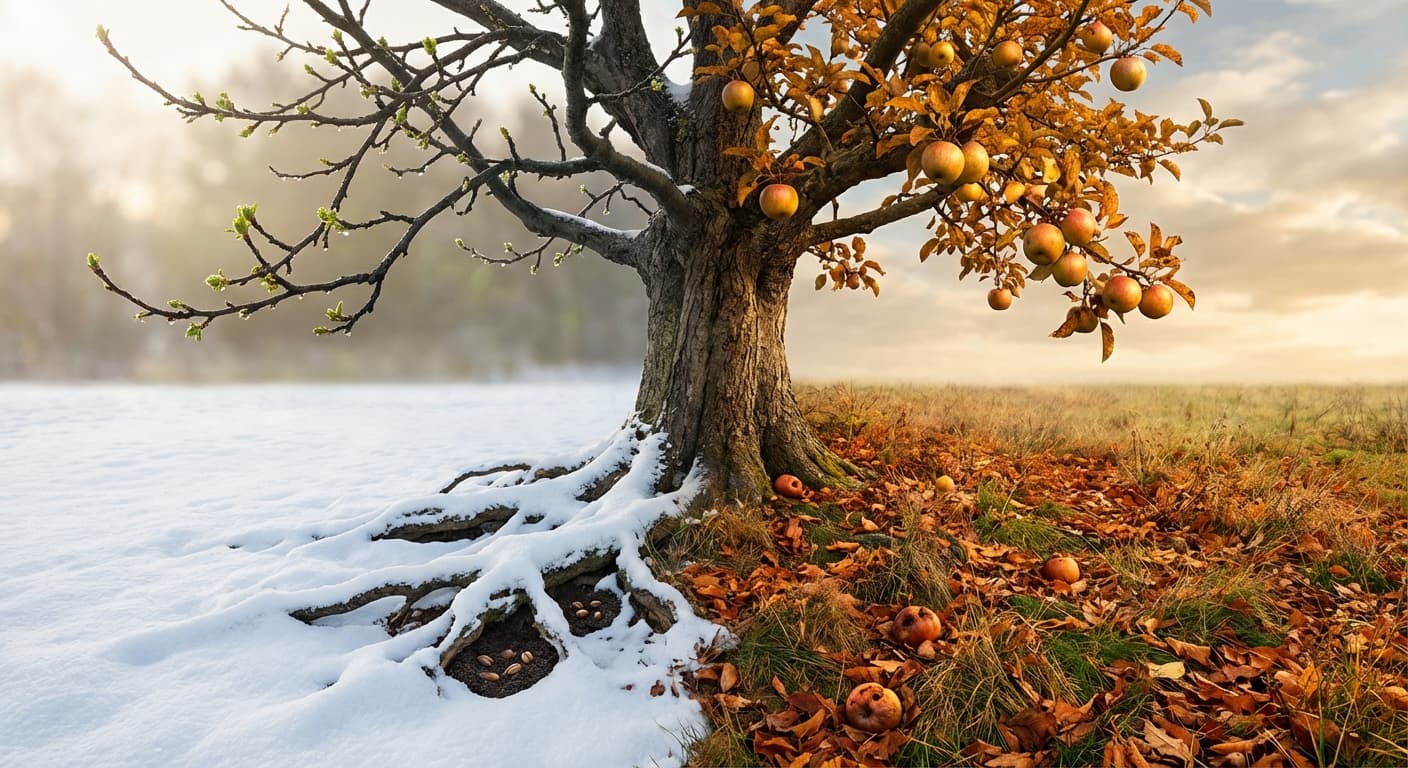
The Seasons of Life — Recognizing Where You Are and What It Demands of You
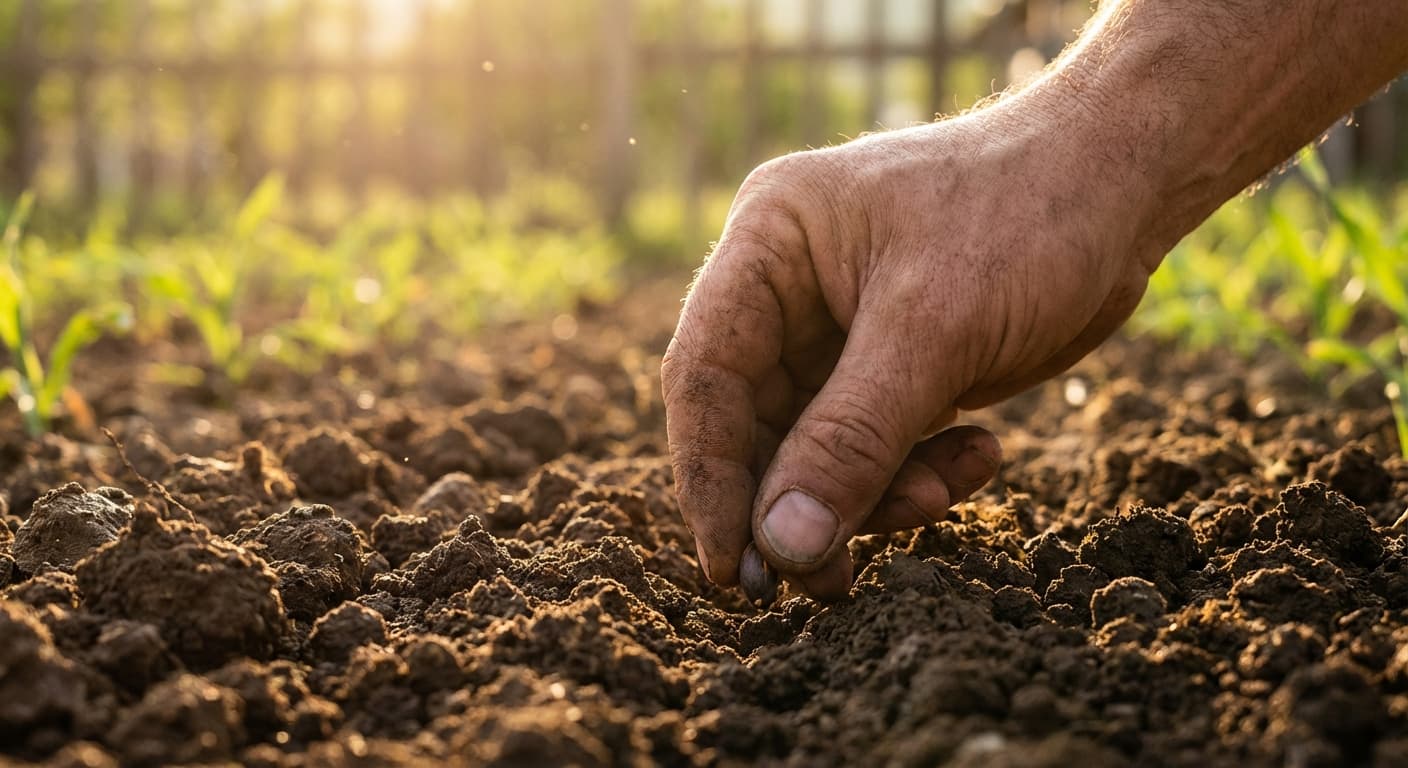
The Daily Disciplines That Compound Into Success: Easy to Do, Easy Not to Do
Subscribe to the Jim Rohn Newsletter
Join our community receiving weekly wisdom for a better life.