Seasons of Your Health
Written based on the teachings of Jim Rohn
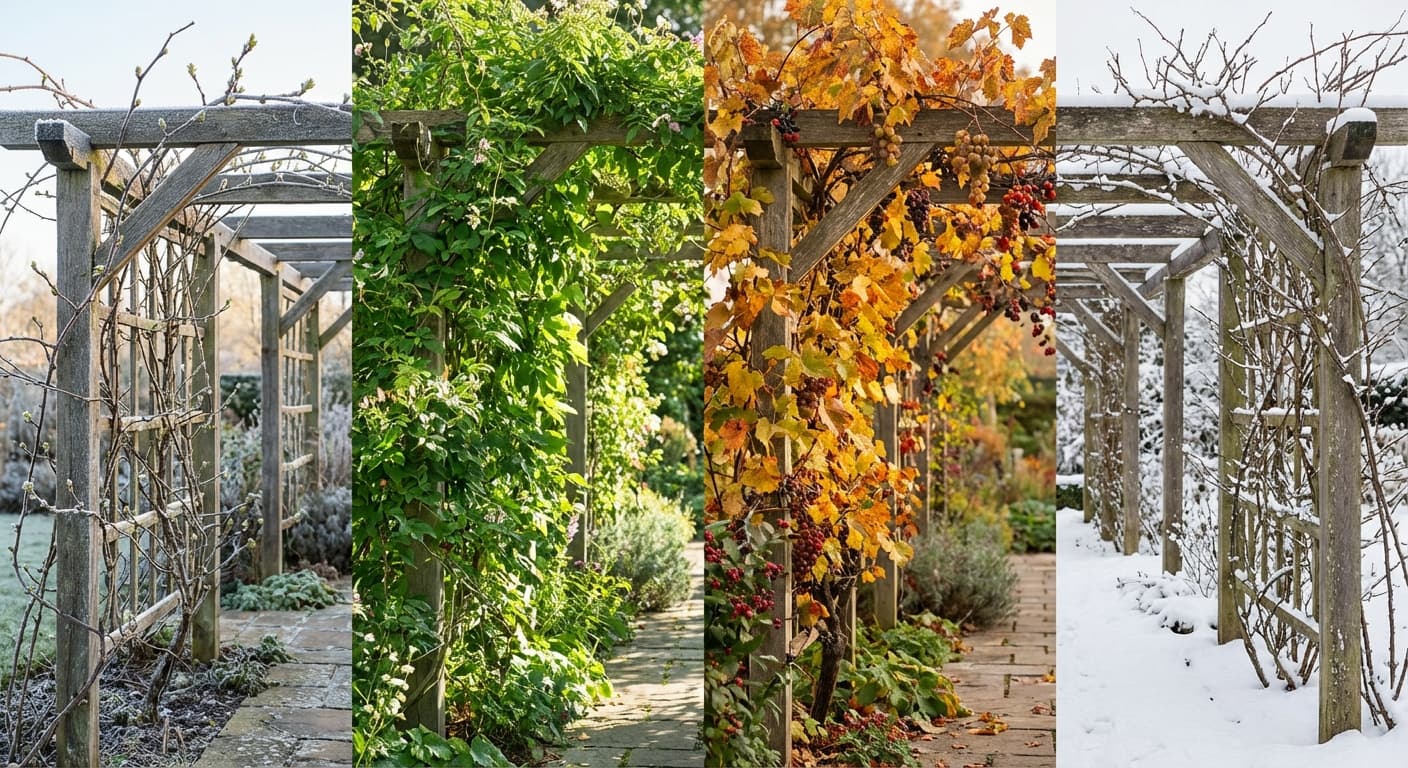
Most people think of health as a destination. You eat well, exercise, lose the weight, and then you're done. You've arrived. But anyone who has ever gotten into the best shape of their life — and then watched it slip away six months later — knows that's not how it works.
Jim Rohn knew it too. He spent decades teaching that life moves in seasons — spring, summer, autumn, winter — and that understanding this rhythm is the difference between wisdom and frustration. He applied this framework to business, to relationships, to personal development. But the place where it may matter most is one he returned to again and again: your health.
Because health doesn't follow a straight line. It cycles. And if you don't understand the season you're in, you'll either push when you should rest or coast when you should be working. Both mistakes cost you.
Spring: The Decision to Begin
Every health transformation starts with a spring — a moment when something shifts inside you and you decide, this time I'm serious. Maybe it's a doctor's visit that scared you. Maybe you saw a photo of yourself and didn't recognize the person staring back. Maybe you simply woke up tired of being tired.
"If you don't like how things are, change it! You're not a tree." — Jim Rohn
Spring is the season of planting. You sign up for the gym. You clear the junk food out of your kitchen. You buy the running shoes. You tell someone what you're going to do, which makes it real.
But here's what most people miss about spring: the seeds you plant don't produce results immediately. You'll eat well for a week and step on the scale and see nothing. You'll run three times and still be out of breath. Spring requires faith — the discipline to keep planting even when the soil looks bare. Jim understood that the gap between planting and harvesting is where most people quit. They want autumn's rewards on spring's timeline.
Don't rush through spring. Learn during it. Study nutrition. Find movement you actually enjoy. Build the identity of someone who takes care of themselves. The habits you form now are the roots that will hold everything together when storms come later.
Summer: The Work That Nobody Sees
If spring is about deciding, summer is about doing. This is the season of sweat, repetition, and showing up when you don't feel like it. Summer is Tuesday morning at 6 a.m. when your alarm goes off and your bed has never felt more comfortable. Summer is saying no to the second drink, the late-night snack, the shortcut.
"Don't wish it were easier. Wish you were better." — Jim Rohn
Summer is also the season of threats. In Rohn's original framework, summer brings the bugs, the weeds, the drought — everything that tries to undo what you planted in spring. In health, those threats have names: stress eating, social pressure, boredom, the voice in your head that says one day off won't matter.
One day off doesn't matter. But one day off rarely stays one day. Summer demands vigilance — not obsession, but attention. You protect what you're building by planning your meals before you're hungry, by scheduling your workouts like appointments, by surrounding yourself with people who support what you're becoming rather than who you used to be.
The work of summer is largely invisible. Nobody applauds you for drinking water instead of soda. Nobody gives you a trophy for going to bed early. But this invisible work is where health is actually built. Not in the dramatic before-and-after photo, but in the thousand small decisions that made it possible.
Autumn: Reaping What Discipline Has Sown
Then comes autumn, and you start to feel it. Your clothes fit differently. You take the stairs without thinking about it. You sleep deeper. Your mind is sharper. People start asking what you've been doing.
This is the harvest — the season Jim Rohn spoke about with genuine enthusiasm. You've earned this. The disciplines of spring and the labor of summer are paying off, and there's nothing wrong with enjoying it.
"Take care of your body. It's the only place you have to live." — Jim Rohn
But autumn carries its own danger: complacency. When things are going well, it's tempting to ease off. You start skipping workouts because you feel good enough. You relax the dietary standards because you've "earned it." You stop paying attention to sleep because your energy is high.
Autumn is also the season for sharing. When your health improves, you have more to give — more energy for your family, more focus for your work, more patience for the people around you. The vitality you've cultivated doesn't just serve you. It overflows. Jim built his career on the idea that personal development was never just personal. When you get better, everything around you gets better too.
Use autumn wisely. Enjoy the harvest, but keep tending the field. And pay attention — because winter is coming.
Winter: When the Ground Goes Cold
Winter arrives for everyone. It comes as an injury that sidelines your training. A diagnosis that rewrites your priorities. A season of grief or stress so heavy that the gym feels irrelevant. Or simply the slow reality of aging — the body that once responded quickly to your efforts now takes longer. Recovery isn't what it used to be.
Winter is the season most people don't plan for, which is exactly why it devastates them. They interpret a health setback as proof that their effort was wasted. They see a bad month as a permanent verdict. They quit — not because they're weak, but because nobody told them that winter is supposed to happen.
Jim Rohn didn't sugarcoat winter. He acknowledged it as inevitable. But he also taught that winter is not the end of the story. It's preparation. It's the season for reflection — what worked, what didn't, what needs to change. It's time for rest that isn't laziness but recovery. It's when you read, reassess, and gather strength for the next spring.
Because there is always a next spring.
A pulled hamstring heals. A stressful season at work passes. The grief softens enough to let you move again. And when spring returns, you don't start from zero. You start from experience. You know which seeds grow and which ones don't. You know what summer demands. You've been through this cycle before, and that knowledge is worth more than any beginner's enthusiasm.
The Cycle Is the Point
The most liberating thing about Rohn's seasons framework is this: it removes the pressure to be perfect. You don't have to maintain peak fitness year-round. You don't have to beat yourself up for a bad week, a bad month, or even a bad year. Seasons change. That's what they do.
But — and this is the part Jim would insist on — you do have to keep cycling. Winter is allowed. Permanent winter is a choice. Sitting out spring because last year's harvest disappointed you is a choice. And those choices compound, just like the good ones do.
"Discipline is the bridge between goals and accomplishment." — Jim Rohn
The person who exercises consistently for forty years, through dozens of seasons, will always outperform the person who trains intensely for six months and then stops for three years. Health isn't built in a single heroic effort. It's built in the willingness to begin again — to plant when it's time to plant, to work when it's time to work, to harvest with gratitude, and to endure winter with the knowledge that it won't last forever.
Jim Rohn lived this truth. He taught it on stages around the world, reminding audiences that the seasons of life are non-negotiable but your response to them is entirely up to you. Your health is no different. You cannot control when winter comes. You can control whether you're ready for it — and whether you show up for the next spring.
So look honestly at your health today. What season are you in? And what does that season require of you right now? Not next month. Not next year. Right now.
The answer to that question is your next step. Take it.
Continue Reading
More from Jim Rohn's teachings


Subscribe to the Jim Rohn Newsletter
Join our community receiving weekly wisdom for a better life.